
"coffee chemistry"
700 article(s) found

The production of Espresso is a technical work.
The Espresso boiled at the ideal water temperature is dark reddish brown, with dark brown spots on the surface of the foam (called "el tigre" by the Italians), and the foam should be more than 4mm thick.

What is tannic acid? One of the main chemical constituents of coffee beans
Tannin, one of the main chemical components of coffee beans, accounts for about 7% of the total chemical composition of coffee beans. After extraction, tannic acid will turn into a yellowish powder and easily dissolve in water. Once heated, it will decompose to produce pyrosylic acid, making the taste of coffee worse. Because of this, a cup of brewed coffee will lose its taste and taste if it is not drunk immediately.

Methods and steps of brewing coffee siphon boiling method
< 2 > siphon boiling method (Siphon), which is currently preferred by most Japanese coffee specialties in Taiwan, has a good sense of beauty, like a chemical laboratory, and once detonated coffee bars in Taiwan, especially in many small shops. The principle is that the glass bottles are filled with alcohol to make them in a vacuum state, and then the coffee is extracted by the principle of steaming power.

Where does the bitterness of coffee come from?
There are about thirty different chemicals in a cup of coffee. These different compounds bring complex flavors to coffee, such as sour, astringent, bitter and so on.

Identification of Cat shit Coffee by Chemical Analysis
People who enjoy the most expensive coffee in the world will soon be able to sip coffee without having to worry: researchers have devised a way to tell these people whether the coffee they buy is real or fake.

The preservation of coffee beans affects the three factors of coffee beans.
It's not cool to have a cup of delicious coffee. But you must know how to select and save coffee. Improper preservation methods will affect the taste and flavor of coffee. (1) three major factors affecting coffee beans: degree / degree / daylight (2) the best tasting period of coffee: coffee beans are four cups and coffee powder is one gram. (3) the shelf life of coffee beans in vacuum packaging: vacuum can about 2.
A cup of coffee contains about 30 different chemicals.
Human beings have a long history of quoting coffee. Coffee has not only become a part of many people's lives, but also aroused the creative inspiration of many artists.
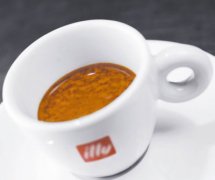
The production of Espresso
Production of Espresso: generally speaking, large coffee beans can produce better coffee. In the case that the quality of coffee beans has been fully assured, the first technical problem to be solved is blending. Blending refers to the selection of coffee beans of different origin and quality to achieve the desired results. The matching technocrat believes that 50% of the success factors of a perfect Espresso depend on the composition of the match.
Making coffee is a skill.
Coffee brewing is a skill. Generally speaking, large coffee beans can produce better coffee. In the case that the quality of coffee beans has been fully assured, the first technical problem to be solved is blending. Blending refers to the selection of coffee beans of different origin and quality to achieve the desired results. The matching technocrat believes that 50% of the success factors of a perfect Espresso depend on the composition of the match.
Researchers from the United States and South Korea have jointly found that coffee protects against retinal degeneration
Coffee has always been the focus of the health community. Researchers in the United States and South Korea have jointly found that drinking coffee is good for the eyes and helps prevent retinal degeneration, the Health Day website reported a few days ago.
The chemical composition of coffee
Coffee is a complex mixture of potential "neutriceuticals". The chemical composition of coffee is determined by a number of factors: agriculture, roasting, blending, and brewing. The main elements of coffee have been known for more than half a century.
Coffee culture Why coffee fascinates people
Coffee is also imported from Italy. In 1600, it was first imported into Italy by a shrewd Venetian merchant, and Italy's first café opened in Venice's San Marco Square.
Espresso is a method of brewing coffee.
"Espresso" is an Italian word that means "on the spur of the mome nt" and "for you" (cooked right away for you).

An introduction to the original Green Ecological Manor in Panama the characteristics of Kaddura Flavor in Water washing
Kotowa Manor of Cadua in Panama is the founding farm of Ricardo Gentleman's Duncan Farm and Don K Farm, mostly Panamanian boutique farms. (slow work, picky, pursuit of perfection) is the secret collection of good coffee. Kotowa means mountains and mountains in Indian aboriginal language. in order to keep this primitive land alive, Kotowa did not use chemistry.
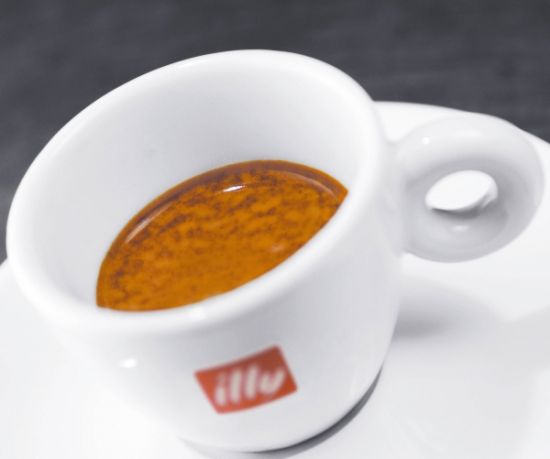
Coffee brewing method: introduction to the technology of amber striped coffee brewing
Generally speaking, large coffee beans can produce better coffee. In the case that the quality of coffee beans has been fully assured, the first technical problem to be solved is blending. Blending refers to the selection of coffee beans of different origin and quality to achieve the desired results. The matching technology school believes that 50% of the success factors of a perfect Espresso depend on the composition and quality of the match. no
Where does the bitter taste of coffee come from?
German scientists have discovered the molecule that brings bitterness to coffee. Human beings have a long history of quoting coffee. Coffee has not only become a part of many people's lives, but also aroused the creative inspiration of many artists.
The production of high-quality coffee learning Espresso is a technical work.
The Espresso boiled at the ideal water temperature is dark reddish brown, and the foam on the surface will have dark brown spots (known as el tigre in Italy), and the foam should be more than 4mm thick. Production of Espresso: generally speaking, large coffee beans can produce better coffee. Under the condition that the quality of coffee beans is fully assured, first of all,
Eastman Tritan polyester powered new coffee machine
Eastman Chemical (Eastman Chemical Company) announced that Hourglass Coffee, based in Portland, Oregon, will use Eastman's Tritan as raw material to produce HourglassCold Brew Coffee systems. Eastman Tritan resin can meet the requirements of tubing toughness, repeated washing durability, heat resistance, chemical resistance and easy processability. Trit

The benefits of a cup of coffee a day
The benefits of one cup of coffee a day raw coffee contains about 9% chlorogenic acid, a highly effective phenolic natural antioxidant that can effectively prevent retinal degeneration. The retina is the most active metabolic tissue in the body. it is a thin layer of tissue composed of many photosensitive and nerve cells in the posterior wall of the eyeball. Lack of oxygen and the production of free radicals in the body can cause retinal damage.
British chemists say the quality of coffee depends largely on the quality of water.
There is no denying that in order to brew a good cup of coffee, high-quality coffee beans and correct processing methods are essential factors. However, water, which accounts for the vast majority of coffee, is often ignored.